I want to share a deeply personal experience that has reshaped me over the past few months: my journey to burnout recovery.
When Everything Started Piling Up
It felt like I was going nonstop since the holidays. Before winter break, my teenager caught a virus from school. On top of that, he was experiencing a negative side effect from a medication prescribed by one of his specialists. Thankfully, the effects subsided once he stopped the medication.
But the challenges didn’t stop there. In the coming weeks, his digestive issues started making him late for school – sometimes two to three times a week. Plus, he had weekly therapy appointments for his anxiety. I was running out of sick time fast, so I applied for intermittent FMLA leave. What a relief that was.
The Breaking Point
By mid-spring, the weight of stress was pressing down on me. I was juggling work, medical appointments for my son, worrying about taxes, and dealing with an emergency dental situation.
What should have been a restful spring break turned into days filled with pain and anxiety as I dealt with an infected tooth and the stress of my responsibilities. By the end of March, I was feeling so overwhelmed.
In early April, I underwent dental surgery to remove not one, but two molars. The infected tooth turned out to be a failed root canal, and the other was heading in that direction. The recovery process left me feeling depleted, both physically and mentally. I struggled to focus at work, and my energy levels were at an all-time low. I found myself needing a day off every two weeks.
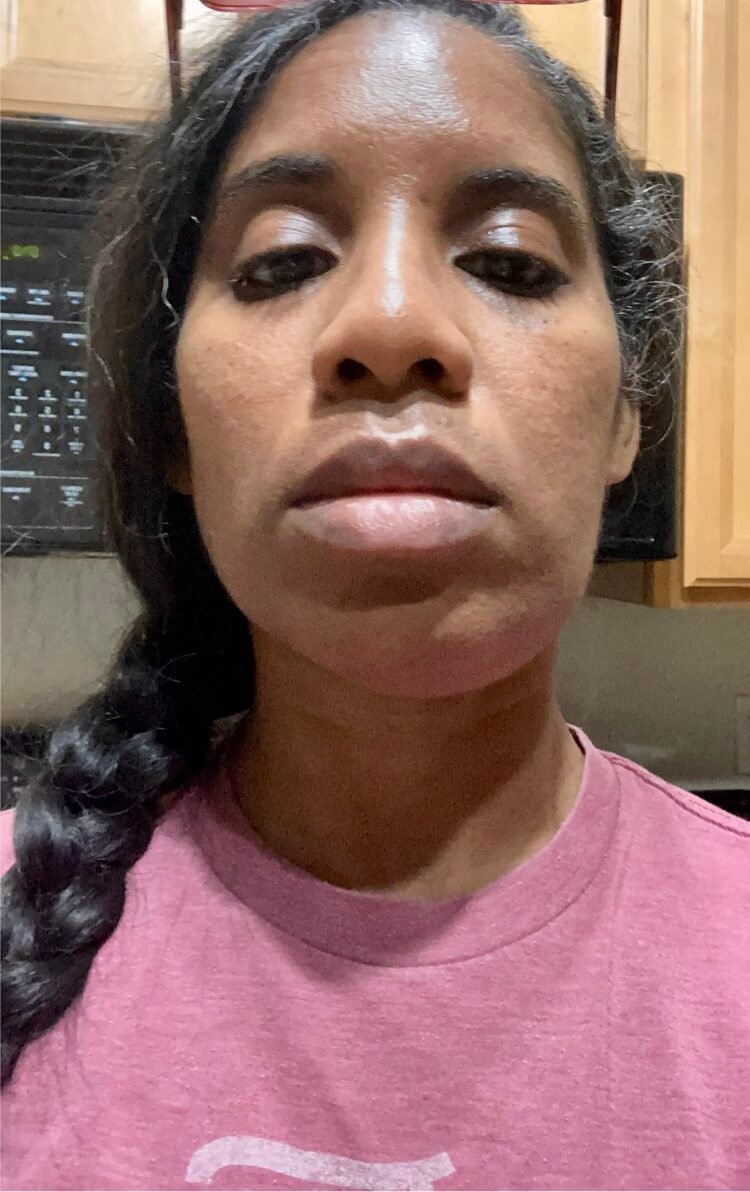
Then came the dizzy spells in May. Finally, I made an appointment with my doctor. Labs confirmed I had iron-deficiency anemia. That was the moment I said, “Enough. I need a break.” Thankfully, I was approved for eight weeks of paid FMLA leave.
Realizing I Was Burnt Out
During my leave, I had a revelation: I had been neglecting my own needs… again.
The lines between “normal tired” and “burnout” had blurred. I had insomnia, was irritable, lacked motivation for activities I once enjoyed, and felt mentally drained. It was apparent my job was not fulfilling. I began seeing a therapist. She confirmed what I suspected: I was burnt out.
Steps Towards Recovery
Together, my therapist and I focused on my goal of recharging, starting with sleep. I kept a sleep journal to track my sleep patterns and identify areas for improvement. We discussed the importance of creating a sleep-friendly environment – no more watching movies or scrolling through social media in bed.
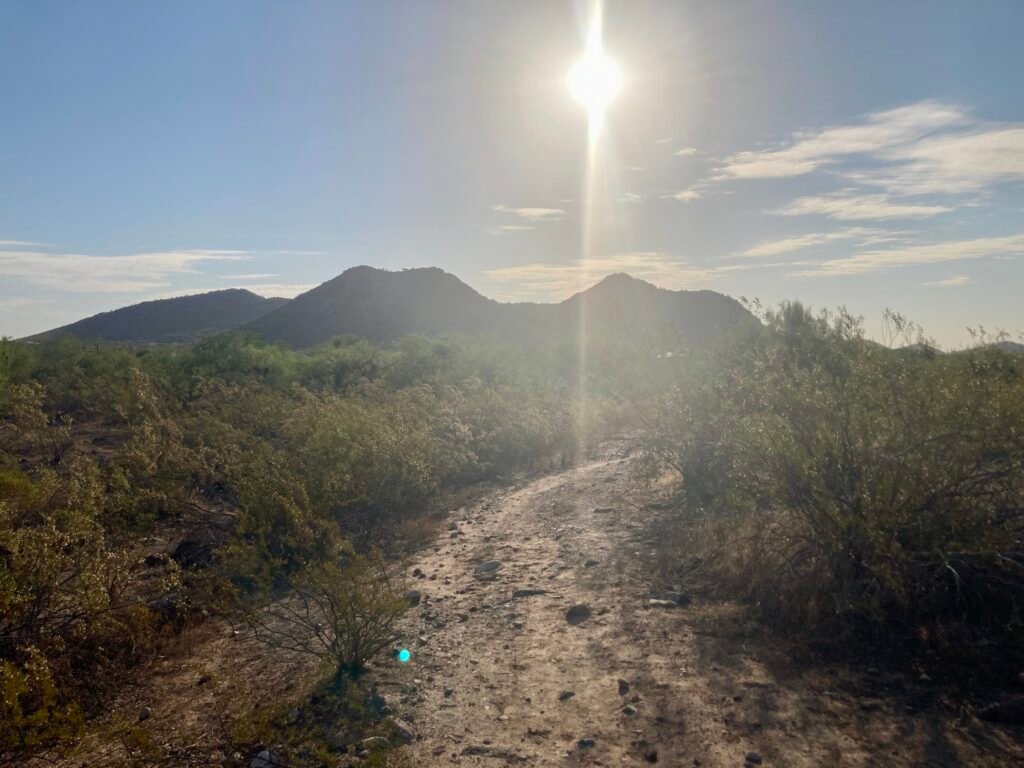
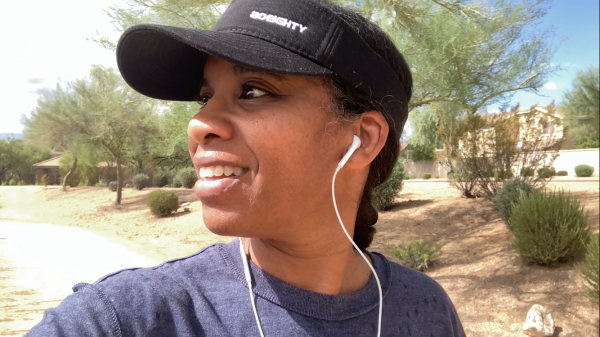
One of the biggest game changers? A morning routine: 10-15 minutes of meditating, stretching, and a 30-40 minute walk each morning. This simple shift prepared me for the day ahead – made me feel human again. Do you know that daily morning sunlight helps your body make the serotonin and melatonin needed each day? Such a great side effect of my morning walks.
Habits That Help me Stay Engaged
Here’s what kept me grounded and engaged during burnout recovery:
1. Self-Care Journal: I started using a self-care journal. It tracks my sleep, eating habits, water intake, exercise, physical feelings, stressors, enjoyable activities, and moods throughout the day. It has helped me reflect on my well-being and notice patterns. The journal I use is called Self Care: A Day and Night Reflection Journal. It was actually given to me as a company gift, and I had let it collect dust. Who knew I would look forward to using it every day? It’s very basic—perfect for someone like me who wants to quickly jot down entries. While it’s not for long write-ups, it has been so useful as a springboard for my traditional journaling.
2. Traditional Journaling: A blank journal became my outlet to process feelings, document my days, and the multitude of ideas running through my head. It has been therapeutic, and honestly, it sparked the idea for this blog!
3. Following Doctor’s Orders: I followed my doctor’s recommendations, especially regarding my prescribed iron and over-the-counter vitamin D supplements. My son has been taking Vitamin D3 for years, so I knew I could trust the NatureWise brand. Along with the supplements, I focused on getting plenty of rest. During the first three weeks of my leave, I was sleeping in and leaning on others for help.
4. Eating Habits: I returned to healthier eating patterns that supported both my energy and sleep. This included resuming intermittent fasting, which had previously helped me bring down my blood sugar to normal levels after pre-diabetes diagnosis. I also became more mindful of when and how I eat—for example, avoiding late-night snacking and saving carbs for the last part of my meals to keep my energy steady. These small adjustments made a big difference in helping me feel more balanced and restored.
Light At The End Of The Tunnel
By the end of my leave of absence, I felt recharged, with a renewed sense of clarity. I learned the importance of prioritizing my health and well-being.
Inspired by my son’s decision to have a hybrid school year, I made big changes: reducing and adjusting my work hours to better fit the needs of myself and my family – we now both start mid-morning. This shift relieved the frantic morning hustle and gave us both more energy to truly be present.
While I still have work to do, I’m committed to maintaining the changes I’ve implemented and continuing my journey to burnout recovery.
Practical Tips If You’re Feeling Burnt Out
1. Recognize the Signs: Acknowledge when you’re feeling burnt out and don’t ignore the symptoms.
2. Seek Support: Reach out to a therapist, counselor or medical doctor for guidance. Talk to your employer about available options.
3. Establish Boundaries: Set limits on your work and personal commitments to prioritize self-care.
4. Create a Routine: Develop a daily routine that includes time for self-care activities, such as movement, mindfulness, or simply quiet time.
5. Track Your Progress: Keep a journal to monitor your sleep, mood, and daily activities. This can help you identify patterns and areas for improvement.
What Not To Do
The biggest mistake I made was trying to push through exhaustion. That only worsened my burnout.
It sounds like common sense, right? But when you’re on autopilot, it’s easy to pile more stress onto yourself. It’s essential to listen to your body and take breaks when needed. Avoid overcommitting, and remember that it’s okay to say no.
Final Thoughts
I hope sharing my story inspires you if you’re feeling overwhelmed or close to burnout. It’s okay to pause, step back, and focus on yourself.
We all deserve to feel our best—physically, mentally, and emotionally.
If you’ve experienced burnout or are currently navigating something similar, I’d love to hear your story in the comments. What helped you recover?